

frosted glass tile
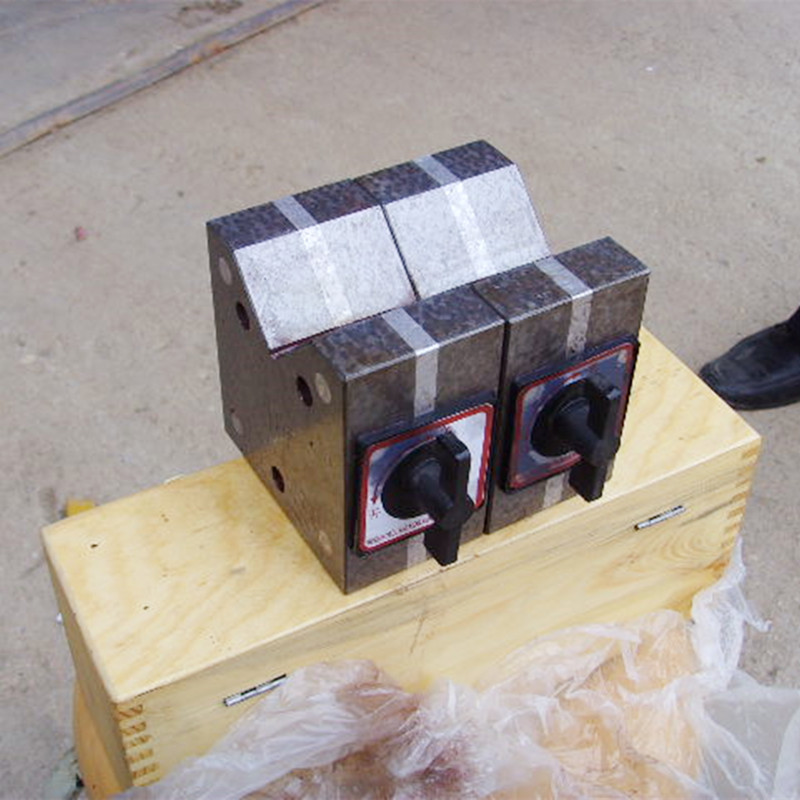
Understanding Magnetic V Blocks Size and Standards Magnetic V blocks are essential tools in the precision machining and engineering sectors. They provide a stable and secure way to hold workpieces in place during operations such as grinding, milling, and drilling. These blocks utilize magnetic force to adhere to ferrous materials, ensuring a firm grip, which enhances the overall precision of the machining process. With various sizes available, understanding the significance of magnetic V block sizes and standards is crucial for optimizing their use in various applications. Understanding Magnetic V Blocks Size and Standards Choosing the right size is paramount. A block that is too small may not provide adequate support for the workpiece, leading to vibrations and inaccuracies during machining, while a block that is excessively large may be cumbersome to use and could restrict access to certain areas of the workpiece. Operators must carefully evaluate the dimensions of their workpieces as well as the nature of the machining operation to select an appropriately sized V block. This ensures that the magnetic grip is strong enough to hold the material securely without risking damage or relocation during processing. magnetic v block size and standard Standards for magnetic V blocks are equally important. Many industries adhere to specific standards to ensure quality, safety, and interchangeability of tools. For example, the International Organization for Standardization (ISO) and various American National Standards Institute (ANSI) specifications often set forth guidelines for manufacturing magnetic V blocks. These standards can dictate everything from the materials used in construction to the strength of the magnetic holds and the accuracy of the V grooves. Conformance to these standards not only ensures the reliability of the tools but also provides users with confidence in the consistency and performance of the magnetic V blocks. Quality control measures must be in place to consistently verify that each block meets or exceeds these standards before it is sent into the field. This is critical, especially in industries where precision is paramount, such as aerospace and medical device manufacturing. In addition to size and standards, the overall design of magnetic V blocks has evolved, with innovations aimed at enhancing their functionality. Some models now feature adjustable magnetic strength, allowing users to tune the grip to suit different materials and operations. Others incorporate features such as built-in elevation or tilting mechanisms that enable versatile setups. In summary, the size and standards of magnetic V blocks play a vital role in their effectiveness in machining and engineering applications. Selecting the right size ensures a secure grip, while adherence to industry standards guarantees reliability and precision. As technology advances, these tools will continue to be refined, helping engineers and machinists achieve heightened levels of accuracy in their work.
about
frosted glass tile
The Importance of Rubber Pads in Anti-Vibration Solutions In various industries and applications, vibration is an omnipresent issue that can lead to significant problems, including equipment wear and tear, operational inefficiencies, and even safety hazards. To mitigate these problems, many professionals turn to rubber pads specifically designed for anti-vibration purposes. These pads offer an effective solution to dampen vibrations, increase operational lifespan, and enhance overall safety. Understanding Vibration Vibration occurs when machinery or equipment operates, creating oscillations that can be transmitted through structures. These oscillations can originate from motors, compressors, generators, or any heavy machinery. The effects of these vibrations can be detrimental; they not only lead to physical damage to machines but can also cause noise pollution, discomfort for individuals, and decreased efficiency in production processes. The Role of Rubber Pads Rubber pads serve as resilient barriers between vibrating machinery and the surfaces it rests upon, effectively absorbing and dissipating the energy generated by vibrations. Their unique material properties allow them to travel through waves and convert them into minor heat, thus minimizing the noise and vibrations transmitted to floors, walls, and other structures. This quality makes rubber pads an essential component in numerous settings, such as manufacturing plants, HVAC systems, and even residential buildings. Material Composition and Design The effectiveness of rubber pads in anti-vibration applications largely depends on their material composition and design. Generally, rubber pads are made from synthetic or natural rubber, often combined with additives to enhance durability and performance. The pads come in varied shapes, sizes, and densities to cater to specific vibration frequencies and load capacities. For example, softer rubber pads are designed to dampen higher-frequency vibrations, while firmer versions are suited for lower frequencies and heavier loads. rubber pad anti vibration Benefits of Using Rubber Pads 1. Vibration Dampening By absorbing vibrations at the source, rubber pads significantly reduce the amount of energy transmitted to surrounding structures, which can prolong the life of machinery and minimize maintenance costs. 2. Noise Reduction In addition to controlling vibrations, rubber pads also contribute to noise abatement, making environments more conducive to work, sleep, and other activities. 3. Increased Safety Excessive vibrations can lead to equipment failure and safety hazards. By using rubber pads, businesses can create a safer working environment for employees and reduce the risk of accidents. 4. Cost-Effective Solution Implementing rubber pads as a part of an anti-vibration strategy can yield substantial cost savings. Their ability to prevent costly repairs and replacements makes them a valuable investment for businesses of all sizes. 5. Versatility Rubber pads can be used in various applications, from industrial machinery to home appliances, making them a universal solution for vibration control. In construction, they can be placed under heavy machinery to ensure stability and precision; in vehicles, they reduce road noise and improve comfort. Conclusion In conclusion, the use of rubber pads for anti-vibration applications is crucial in today’s fast-paced industrial landscape. They help extend the life of machinery, enhance operational efficiency, improve workplace comfort, and promote safety. As industries continue to evolve, the demand for effective vibration dampening solutions will likely grow, underscoring the importance of rubber pads in engineering and construction. By investing in high-quality rubber pads, businesses can not only defend against the detrimental effects of vibration but also foster a more productive and safer environment for all.
-

High quality industrial productsagement

High quality industrial products
View Details -

Meet the diverse needs of customers

Meet the diverse needs of customers
View Details -

Strict quality control

Strict quality control
View Details -

Top raw materials

Top raw materials
View Details -

Trusted supplier

Trusted supplier
View Details
Our application
news and information
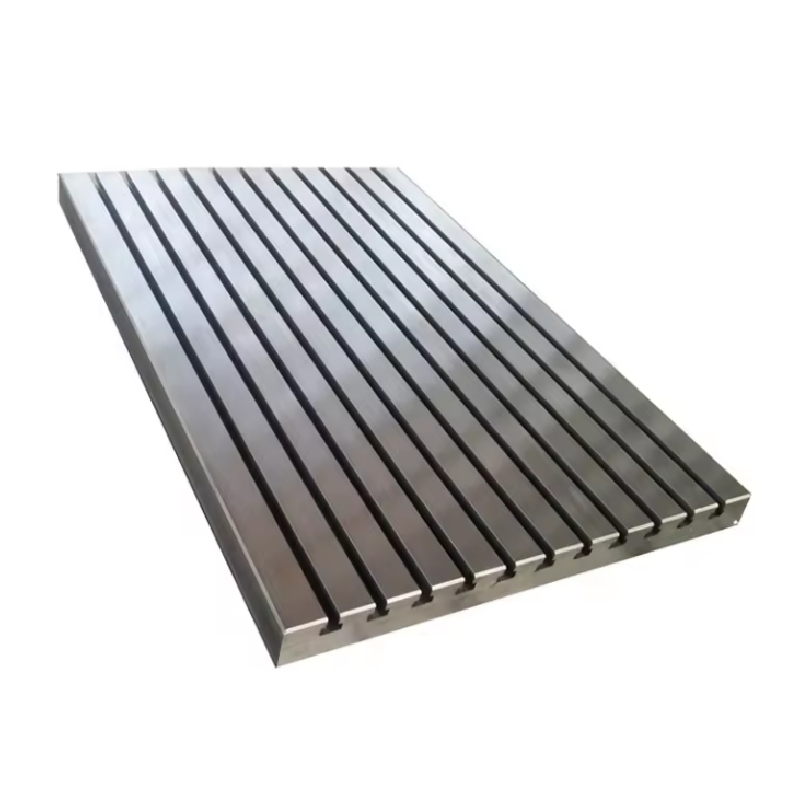
water valve repair
Water Valve Repair A Comprehensive Guide Water valves play a crucial role in the plumbing systems of
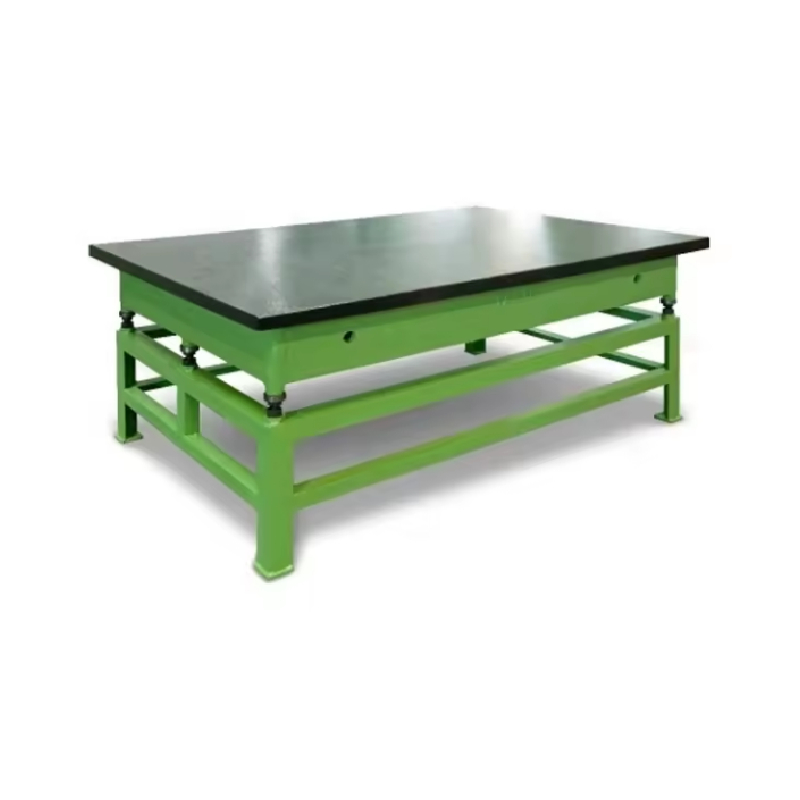
y type strainer filter,,10
Y Type Strainer Filter A Compreensive Guide Y Type Strainer Filter has become an essential tool in

Van cổng
Van cổng, hay còn được gọi là van xẻng, là một trong những thiết bị quan trọng trong hệ thống đường
 English